What Do Midwives Do? A Lot More Than You Think
Answers to the most commonly asked questions

Answers to the most commonly asked questions
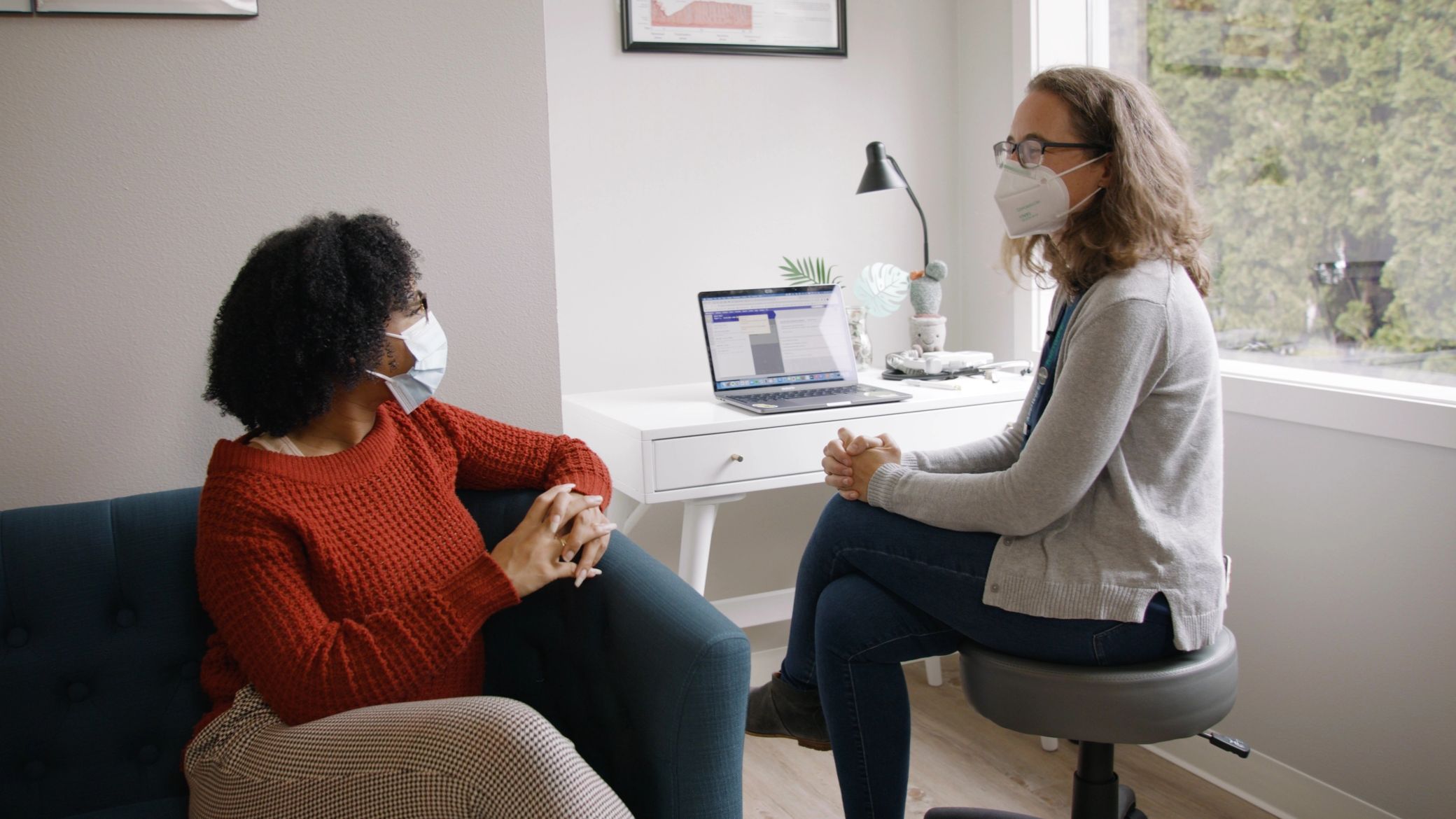
Whether giving birth in the hospital or at home, one thing is clear–midwives are attending more and more births in the United States. When you look at the research, it’s easy to see the appeal. Midwifery care is associated with lower rates of medical intervention and improved outcomes for both laboring people and babies.
There are a few different types of midwives, but this article will focus on the scope of care of certified nurse-midwives (CNMs) and certified midwives (CMs). CNMs and CMs attend around 10% of all births in the United States. The only difference between CNMs and CMs is their undergraduate background. CNMs are trained as registered nurses. CMs have a bachelor’s degree but it does not have to be in nursing. Both complete either a Masters or Doctorate of Science in Nursing.
Midwives walk alongside people as partners in their care.
The word midwife comes from Old English for “with women.” Midwives actually provide care for people of all genders, but the philosophy remains the same. Midwives walk alongside people as partners in their care. The role of the midwife extends beyond pregnancy to reproductive health and primary care across the lifespan.
Here are answers to some of the most common questions about CNMs and CMs.
Yes! CNMs and CMs practice in a variety of settings, including hospitals, birth centers, home birth practices, outpatient offices, and community health centers. In fact, around 89% of all births attended by these types of midwives happen in hospitals.
The answer to that is somewhat complicated. Midwives and OB/GYNs are both healthcare providers. Midwives can prescribe medications, order and interpret lab tests/ultrasounds, and manage many common complications during pregnancy. The short answer is, you usually choose to have EITHER midwives OR physicians as your care providers.
Some states require CNMs to practice under a physician, while in other states they are independent practitioners. Regardless of where they practice, CNMs have the same qualifications.
However, there are a lot of different ways that midwives and physicians work together to care for pregnant people. Some healthcare practices are made up of both physicians and midwives. Other practices are midwife-only teams that consult OB/GYNs or maternal fetal medicine physicians (MFMs) as needed.
There may be medical reasons why it is important to have a physician involved in your care. Or, there may be complications that come up through the course of your pregnancy or labor that make it safer to transfer care to a physician. But here’s the bottom line: midwives are highly qualified and trained reproductive healthcare providers who can safely take care of many people all the way from pre-pregnancy to postpartum and throughout the lifespan.

Yes! Midwives and doulas serve different roles during pregnancy. They are not the same profession.
A midwife is a healthcare provider. CNMs and CMs assess, diagnose, and treat throughout the course of your care. They prescribe medications, interpret test results, and perform medical interventions when needed. Their primary focus is on your health and the health of your baby. Though midwives are capable of providing labor support, they are sometimes caring for multiple laboring people at the same time and are often responding to patient calls and lab results as well. This means your midwife will likely not be with you 100% of the time during your labor.
Related: 7 Reasons You Should Hire a Birth Doula
Did you know? Quilted Health provides a birth doula for all clients who want one.
A birth doula is someone who is trained to provide physical and emotional support throughout pregnancy, labor, and postpartum. While they are not trained medical professionals, birth doulas can play a critical role in helping someone cope with the intensity of labor. Continuous labor support, like that provided by doulas, has been associated with higher rates of normal vaginal birth, lower use of pain medications in labor, lower rates of C-section, and greater feelings of satisfaction with birth experiences.
Yes! In most places, CNMs and CMs can help people with a wide range of birth preferences.
Many midwives make a point to talk to you during your pregnancy about what labor might look like for you. They might ask about what your hopes and fears are, learn your preferences for coping, and offer suggestions about how to physically and mentally prepare for labor.
Midwives are often considered the “experts of normal.” They are trained to support physiologic labor, which means labor that happens on its own without medical interventions. Midwives use techniques like counter-pressure, position changes, hydrotherapy (tub/shower), and breath-work to walk with you through the phases of labor. However, midwives also receive extensive training on how to use medical interventions when they are necessary.
Midwives are often considered the “experts of normal.”
Some of the possible options for pain medications during labor include IV narcotics, nitrous oxide (sometimes called “laughing gas”), and an epidural. Midwives are trained to safely care for people who use any combination of coping strategies for labor.
Midwives are not trained as surgeons. They cannot actually perform the surgery necessary to birth your baby.
However, having a surgical birth does not mean you have to say goodbye to your midwife. In many places, your midwife will scrub in as a member of your surgical team and assist the surgeon performing your cesarean birth (C-section). If the midwife does not scrub in, they can often join you in the operating room to help provide a calming, familiar presence for you and your support person.
After a cesarean birth, many midwives can continue to see you for postpartum care.
Yes! CNMs and CMs are trained in pharmacology, or the study of medications.
In many places, midwives can independently prescribe birth control, antidepressants, thyroid medications, antibiotics, pain medications, and many other common medications. However, in some states, CNM and CM practice is supervised by physicians. In these places, your midwife can still get you a prescription, but it will be signed by a physician instead.
Related: The Ins and Outs of Intrauterine Devices
Yes! Around half of all midwives perform primary care as part of their jobs. Some of the tasks that a midwife might perform include:
Insurance coverage can get confusing, but here’s the scoop. Medicaid is required to cover CNM and CM midwifery care in all 50 states. Most states also require private insurance companies to reimburse for midwifery care.
If you aren’t sure about your particular insurance plan, you can call the phone number on the back of your insurance card. Your plan representative can help you figure out which providers and services are covered under your plan.
If you have a uterus, the answer is probably yes! Whether you’re getting routine reproductive healthcare, pregnant or hoping to be, or going through menopause, a midwife is a great option for a care provider.
MSN, CNM · she/her
Bridgette enjoys supporting people through collaborative, person-centered reproductive healthcare. As a new mom herself, she appreciates how powerful and transformative pregnancy and birth can be.
Connect with Bridgette →Longer visits, a team that answers, and a midwife at your side from the first visit through a full year after birth.
Book now
Postpartum anxiety can be overwhelming — but it doesn’t have to be

With midwives Michele Augur and Farrah Ka’Healani Rivera

You don’t have to do this alone
We're here to support you, whatever your needs are. Whether you have a question or need to schedule an appointment, call or text us and we'll get back to you as soon as possible. Our office is open 8am – 4pm Monday – Friday.