7 Strategies for Coping with Postpartum Anxiety
Postpartum anxiety can be overwhelming — but it doesn’t have to be

Postpartum anxiety can be overwhelming — but it doesn’t have to be

So many parents suffer in silence with postpartum anxiety. They often feel alone and think that something is wrong with them. Perhaps they believe they’re overly sensitive, bad at managing stress, or just not cut out for parenthood.
The reality is that parenting is challenging. Anxiety is not a sign of a deep inner flaw.
In fact, anxiety is a part of your natural human defense system that gets activated in times of stress. Anxiety is your nervous system’s way of alerting you to a problem and encouraging you to survive. However, this alert system can become overly sensitive during vulnerable times like postpartum. Your nervous system can react without an objective threat. It can overreact to even the most subtle sign of possible danger.
The reality is that parenting is challenging. Anxiety is not a sign of a deep inner flaw.
Anxiety can be extremely exhausting. The good news is that many strategies can help decrease the amount of energy anxiety takes from you. You have the power to recalibrate your nervous system so that it isn’t in constant overdrive. And it starts with awareness.
Increased anxiety and worry are common and understandable responses during the transition into parenthood. Taking care of another more delicate human can cause you to be more alert to possible signs of danger.
Anxiety can affect everyone! Postpartum anxiety can affect partners and caregivers. It can also occur even if you aren’t a first-time parent.
This type of vigilance can help protect you and your child(ren). However, it becomes problematic when it starts to consume your thoughts or dictate your choices and behavior. You might notice how much you worry is out of proportion to what is actually happening. Or, you might notice anxiety is interfering with your ability to function or causing conflict in your relationships.
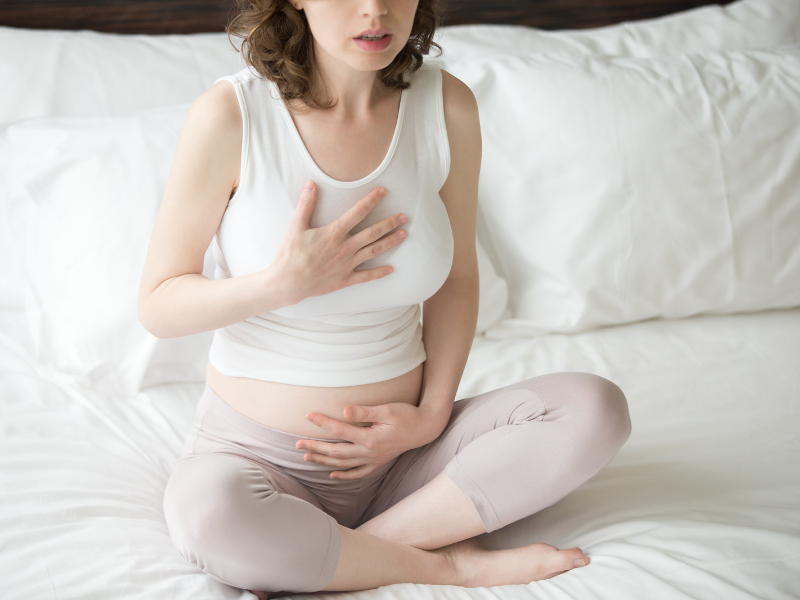
It may be time to enhance your coping strategies or reach out for support if any of the following are true:
There are different types of postpartum anxiety, so not everyone will experience it in the same way. You can also experience symptoms of postpartum anxiety along with other mental health challenges like postpartum depression. Common symptoms include physical, emotional, cognitive, or behavioral changes. Here are some examples of each:
Physical symptoms:
Emotional symptoms:
Cognitive symptoms:
Behavioral symptoms:
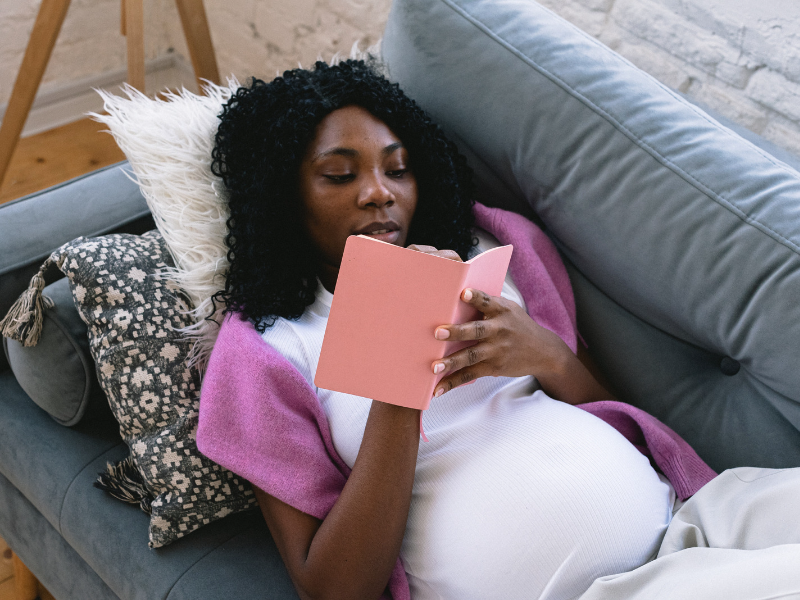
Everyone has different ways of coping with mental health problems and mood disorders. If you think that you might have postpartum anxiety, here are some suggestions to help improve your mental health.
This might sound strange given how uncomfortable anxiety can be. If you judge anxiety as an enemy, you might be tempted to ignore it or push it away. This can increase anxiety as well as other emotions like guilt and shame.
To “befriend” your anxiety, consider why it might be showing up. What kind of threat or problem is it signaling?
To “befriend” your anxiety, consider why it might be showing up. What kind of threat or problem is it signaling? If you view anxiety as an alarm that is trying to keep you and your child(ren) safe, a more compassionate attitude can help reduce any stigma you feel.
When you view anxiety with compassion, coping strategies and tactics can feel less overwhelming. Try telling yourself a balanced statement like, “This anxiety is trying to protect us, AND it’s not always helpful, so I’m working to manage it.” Reframe the anxiety as something that doesn’t define you and that you have the power to address. With a compassionate attitude, you are also able to more clearly see what increases your anxiety. This can help you decide which other strategies might work best.
There is a connection between the health of your gut and your mental health. Strong digestion is important for helping your body absorb nutrients. It doesn’t matter what you eat if you can’t digest it!
Check out 5 Nourishing Foods for Chest/Breastfeeding for some nutritious options!
In the early postpartum period, this may mean eating warm, cooked foods. Avoid a lot of raw, cold foods, as these can be harder to digest. Take time to sufficiently chew your food and use spices that enhance digestion and milk supply (e.g., ginger, fenugreek, garlic, turmeric, fennel, cardamom, pippali).
Anxiety can often intensify when you are overstimulated. Your senses can be overloaded by things like bright lights, strong smells, or loud music or noises. Other triggers include crowds or highly trafficked areas, messy or disorganized spaces, or certain colors or textures.
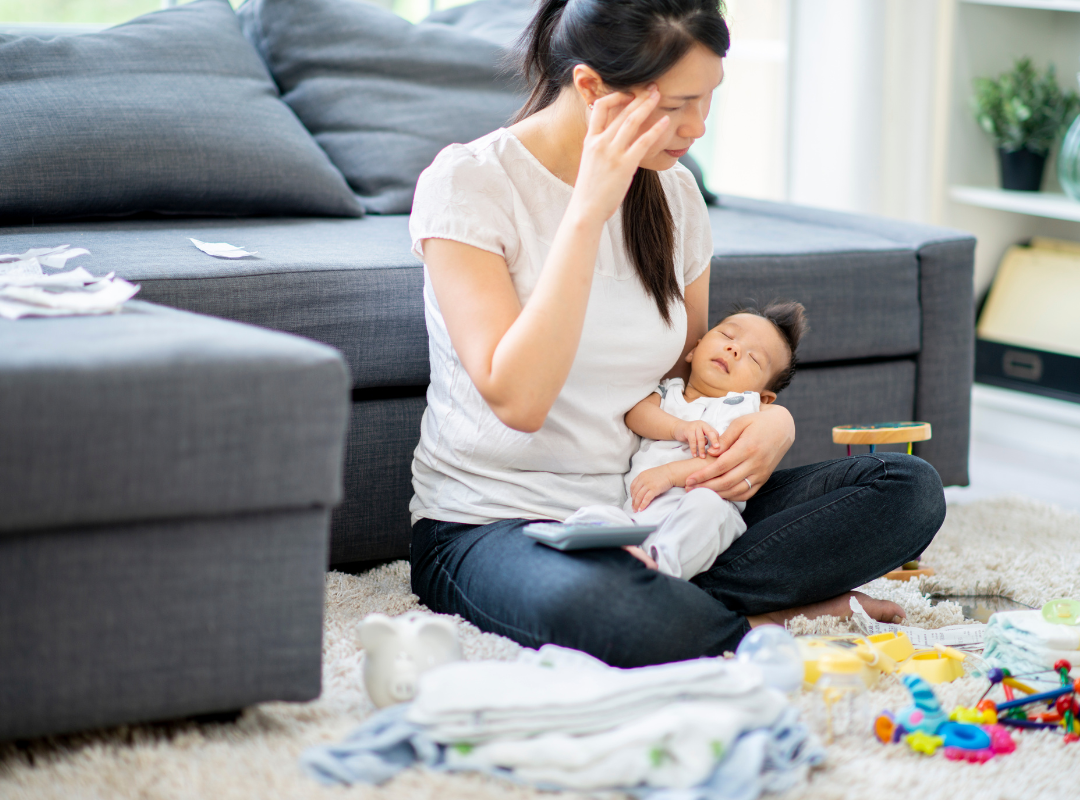
In the postpartum period, even a one-on-one conversation with someone you love can feel like too much. Self-care activities you used to find relaxing might put you on edge. Rushing around often causes stress. Even being around people who judge easily or have certain personality traits might increase anxiety. As much as possible, be intentional about the people you choose to be around, the environment you spend time in, and the activities you pursue. Opt for slower-paced, calmer, and more easeful choices when possible.
Persistent or excessive anxiety is often a sign that the sympathetic nervous system (SNS) is activated. The SNS is the branch of your nervous system responsible for responding to stress. The parasympathetic nervous system (PNS) is responsible for putting the brakes on your stress response. One of the fastest ways to engage your PNS is through your breath; when you can slow your breath to 5-6 breaths per minute, that helps engage the PNS.
In yoga, pranayama, or breathwork, helps to consciously shift our breath pattern in order to change our emotions and physiology.
There are many pranayama techniques that can be useful for anxiety. Here are a few examples:
Focus on filling up all 360 degrees of your abdominal region, ribcage, and upper chest by inhaling and exhaling to equal counts without strain (e.g., inhaling for 4, exhaling for 4).
With lips gently closed, inhale slowly through your nose. As you exhale through your nose, make a humming noise with lips still closed. If you'd like, place your palms over your ears to amplify the humming sound.
Purse your lips in an “O” shape as though you were drinking from a straw; inhale through your pursed lips and exhale through your nose.
If you try these, notice any shifts you feel after 1-3 minutes breathing.
Different types of movement can be helpful to lessen anxiety. Some people find sweaty workouts like high intensity interval training (HIIT) to soften anxiety. For others, restorative yoga or tai chi may be a better fit.
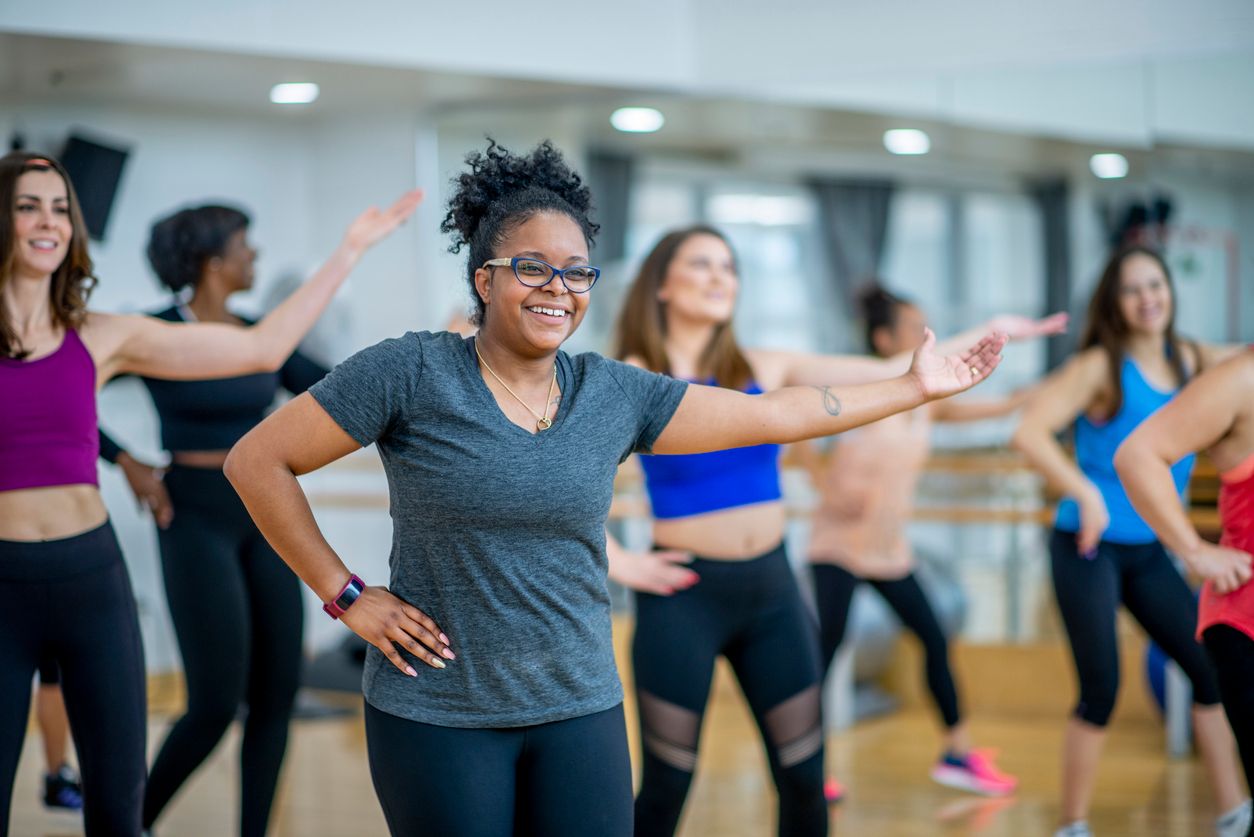
Another technique you might want to try is called Progressive Muscle Relaxation (PMR). PMR alternates between tensing and relaxing various muscle groups in order to promote a deeper state of muscular relaxation. Once you feel comfortable with this technique, you can pair the tensing and releasing with your breath. For example, inhale as you tense, exhale as you release. You can also combine the tensing and releasing with a two-part phrase. On the inhale you might say “I’m really stressed,” and on the exhale respond with “and I know I won’t feel this way forever.”
If you ignore your anxiety or become extremely fixated on your anxious thoughts, anxiety tends to increase. Mindfulness meditation can counteract natural urges to push away anxiety or become flooded by it. In other words, it can help you pay attention to your anxiety without making it worse. Meditation helps you to both respond to anxiety and increase your confidence in your ability to navigate it.
Observing your anxiety (instead of feeling consumed by it) can help you gain insight into the cause(s) so that you respond with intention and skill.
Mindfulness meditation involves bringing your attention to each moment-to-moment experience (i.e., thoughts, feelings, body sensations) with compassion. When you feel anxious, becoming more aware of your anxiety may not bring immediate relief. However, a regular meditation practice can change your relationship to anxiety.
Use this guided meditation to help you cope with stress and worry.
Through meditation, you learn how to feel and acknowledge anxiety to help soften your response. It also helps you become more of an observer to your anxiety. Observing your anxiety (instead of feeling consumed by it) can help you gain insight into the cause(s) so that you respond with intention and skill.
If the anxiety is related to an unmet need, you can problem-solve how to meet that need. If the anxiety is related to a belief that feels real but isn’t true, you might find it helpful to gently challenge that belief. If the anxiety is related to a past experience rather than something that is happening in the present moment, you might find a way to self-soothe or increase a sense of safety. Meditation can support this type of problem-solving.
There is absolutely nothing wrong about meeting with a mental health professional. There are even perinatal mental health specialists who work in prenatal and postpartum care. Depending on your situation and needs, a therapist or counselor can make a world of difference.
Prescription medication can make a big difference for some people. If you’re working with a therapist or counselor, they may advise medication. They will also help you decide which strategies to use in combination with your medicine.
If you are experiencing intrusive or scary thoughts or images related to a traumatic birth experience, processing your experience in a safe way could alleviate anxiety. Meeting with a mental health professional with specialized expertise may be helpful in that circumstance.
Start by identifying your most problematic anxiety symptoms. This will help you determine which type(s) of support you need most.
For example, say you are experiencing a lot of anxiety about a relationship. Reflect on what is at the root of that anxiety. Is there some need you have that isn’t being met (i.e. acceptance, understanding, or connection)? If so, ask yourself how you might meet that need. Would it be helpful to set firmer boundaries? Can you make a clear, specific, request from a loved one? If there’s something important you haven’t said, do you need help mustering the courage to share it or figuring out how to phrase it?

There are also many small actions that can help decrease anxiety symptoms. Give yourself a break from childcare responsibilities so that you can sleep. Do one small thing each day that helps you feel more like yourself. Or, join a parents’ group. These small steps can go a long way. Other tools that can help manage anxiety include medication, massage, or acupuncture. Spiritual practices (i.e. ritual, prayer, spiritual community) or creative outlets (i.e. writing, making art, gardening, or cooking) are also useful tools.
Everyone’s path is unique. Sometimes finding what works for you takes a bit of experimentation. Be willing to stay open and curious.
While symptoms of postpartum anxiety can naturally decrease with time, this is not the case for everyone. It’s essential to make your well-being a priority. Strengthening your coping skills can help you and your child(ren) thrive and build resilience. When you care for yourself, you also model this behavior for your child(ren). Show them the importance of tending to their pain in times of hardship.
Sometimes finding what works for you takes a bit of experimentation. Be willing to stay open and curious.
It can be powerful to share your postpartum struggles with people you trust. In doing so, you legitimize that your anxiety is real AND that there is something you can do about it. The more we share the realities of postpartum, the more we help deconstruct harmful societal messages about what this time “should” feel like. Sharing helps others feel safe to speak out to get the support they need and deserve. In this way, the pain can have a purpose. We are able to create a culture in which parents are celebrated for acknowledging their struggles in the postpartum period. We also ensure they are treated with sensitivity and encouragement.
This article was reviewed by Violet Resnick, MSW.
PhD · she/her
Dr. Foynes empowers parents with evidence-based psychology & various wisdom traditions to promote resilience in the face of stress, societal pressures, & experiences of trauma, loss, & burnout.
Connect with Melissa →Longer visits, a team that answers, and a midwife at your side from the first visit through a full year after birth.
Book now
With midwives Michele Augur and Farrah Ka’Healani Rivera
You don’t have to do this alone

From doulas to sleep consultants, here’s everyone you might want to help you before or after birth
We're here to support you, whatever your needs are. Whether you have a question or need to schedule an appointment, call or text us and we'll get back to you as soon as possible. Our office is open 8am – 4pm Monday – Friday.