The Benefits of Folic Acid During Pregnancy
Why is it important, and how much is enough?

Why is it important, and how much is enough?
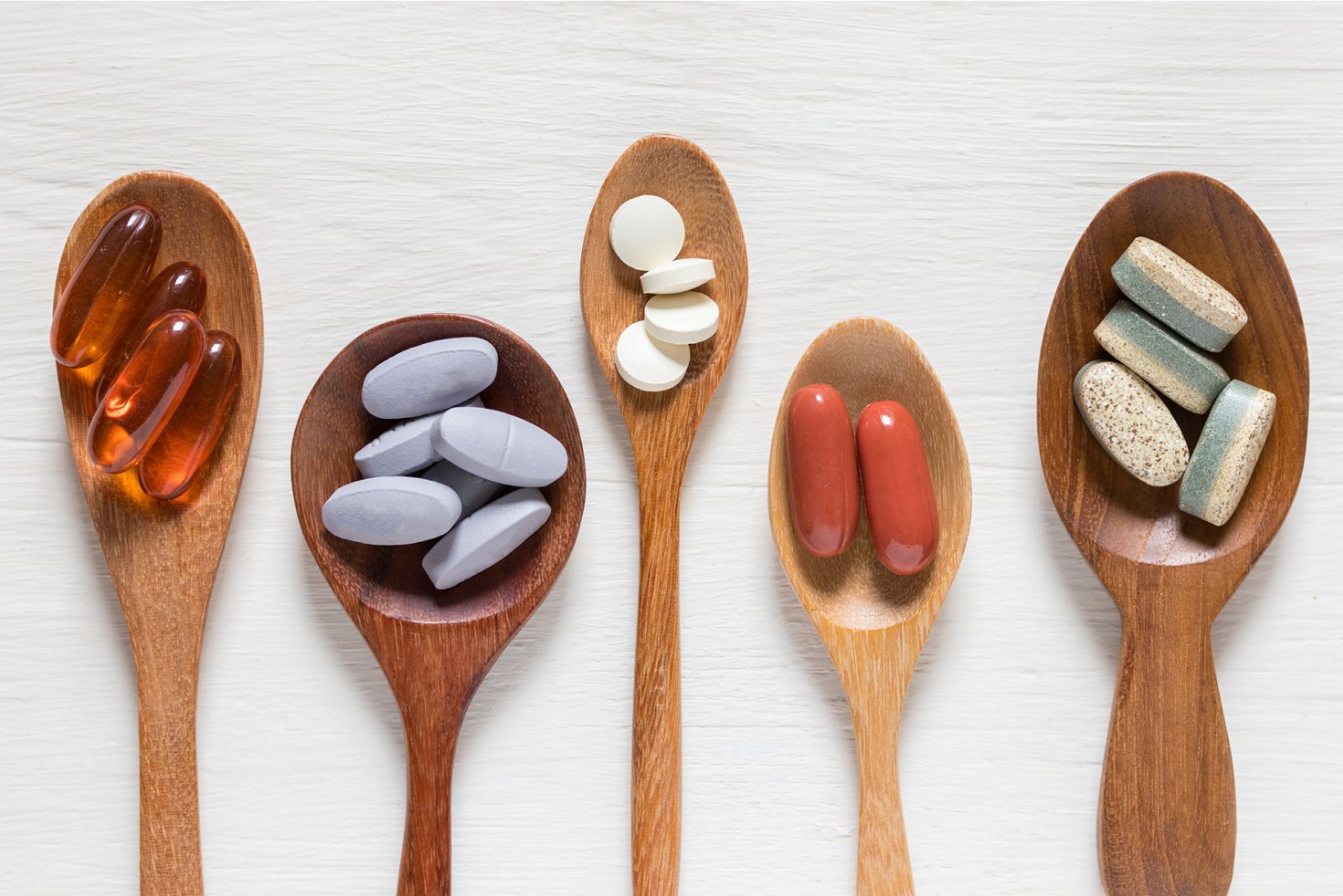
You’ll find folic acid listed on the label of almost every prenatal vitamin. Why is this vitamin so important during pregnancy? In this article, we’ll explore some of the reasons why folic acid is essential during pregnancy. We’ll also share information about how to get it and how much you need.
Folate is a type of B vitamin; specifically, vitamin B9. Folate occurs naturally in many different foods. Folic acid is the man-made form of folate, and is what you'll find in your prenatal vitamins. Folate occurs naturally in many different foods. Both folate and folic acid are effective during pregnancy. Throughout this article, we’ll be using the term “folic acid” to keep things simple.
Everyone needs some folic acid in their bodies. B vitamins are important for healthy bodily functioning. But folic acid is especially important during pregnancy to help prevent neural tube defects (NTDs). NTDs is a general term used to describe problems with the development of the baby’s brain and spine. There has been a lot of high-quality research about the importance of folate during pregnancy to reduce the risk of NTDs.
An NTD happens when the brain and spine do not form properly. The most common types of NTDs are spina bifida and anencephaly. There are other, less common, types of NTDs. NTDs can range from minor to severe. Many require surgery after birth.
Folic acid will not prevent NTDs from happening 100% of the time. However, regular levels of folate reduce the rate of NTDs by over 50%. Using folic acid to reduce the risk of NTDs is simple and noninvasive. That’s why folic acid is recommended for all pregnant people in the U.S.
Prenatal vitamins are a great source of folic acid, but they aren’t the only place you can get it. Many foods, such as cereal, breads, and other packaged grains, have folic acid added to them. Folic acid is typically well-absorbed by the digestive system, which is one of the reasons it is added to many packaged foods to raise the nutritional value. This can make it easier to get enough folic acid if you’re having nausea and problems eating certain foods where folate occurs naturally.
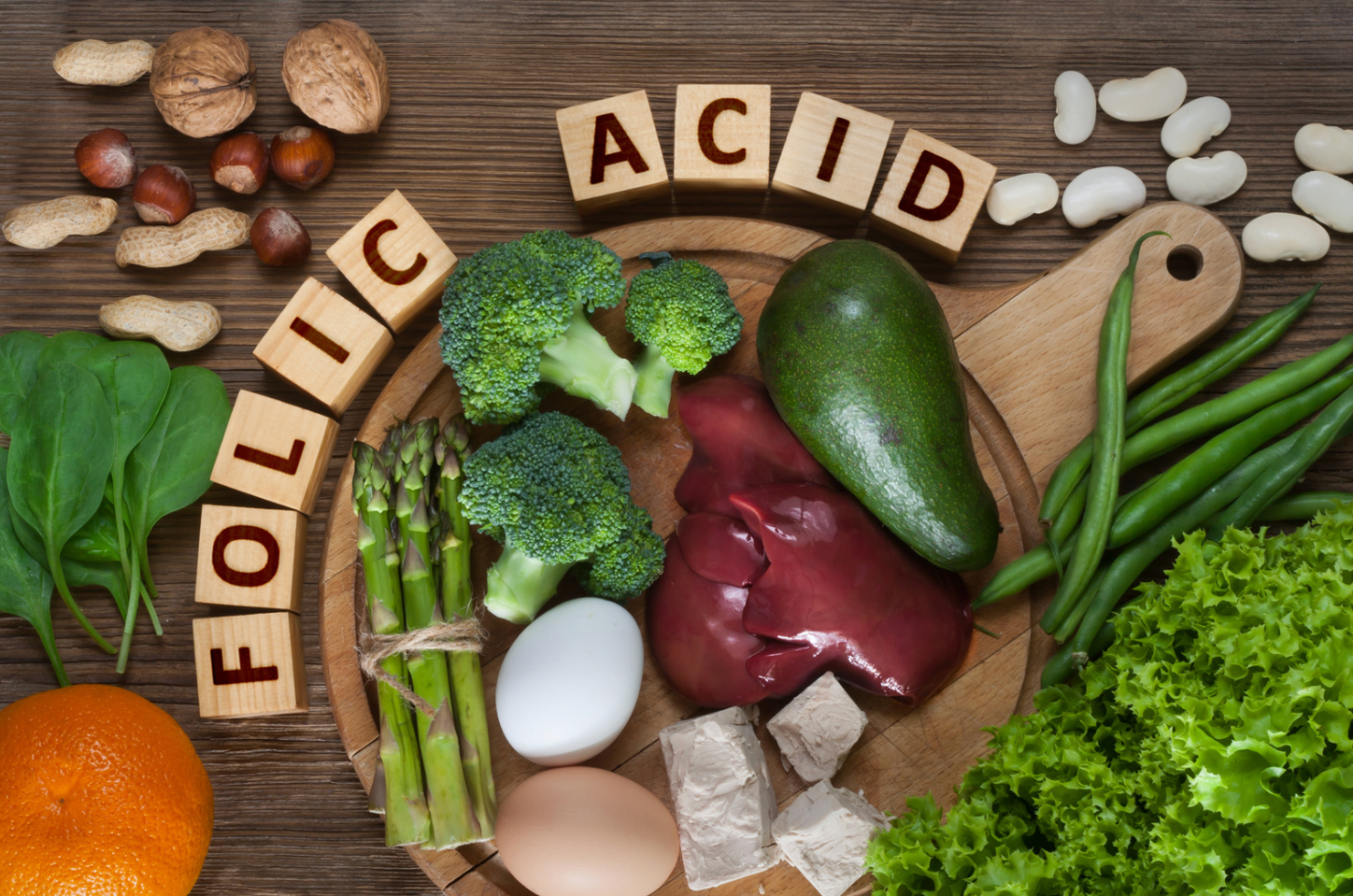
Like all vitamins, folate also exists in many different raw foods. Certain types of fruits and vegetables and some sources of protein, such as eggs and peanuts, have higher levels of folate.
Folate levels are quite high in these foods:
Studies show that current levels of folic acid added to foods may be enough to prevent certain NTDs. However, the U.S. Preventive Services Task Force still recommends taking extra folic acid during pregnancy. It’s a good idea to get a combination of both folate through foods and folic acid through vitamins or additives in food.
Folic acid is often added to cereal, breads, and other packaged grains. This can make it easier to get enough folic acid if you’re having nausea and problems eating foods where folate occurs naturally.
Sometimes, people have lower than normal levels of folic acid in their bodies. The most common cause of low folic acid levels is due to not eating enough foods high in this vitamin. Folic acid levels can also be low due to low carb diets, disordered eating, substance use disorders, or poor absorption. Some medicine also interferes with the absorption of folic acid, such as certain antibiotics or seizure medications.
There is a simple blood test that checks folic acid levels within the bloodstream. Your provider will check your folic acid levels during your prenatal checkups. The normal range for folic acid in non-pregnant adults is 2-20 ng/mL. If your bloodwork shows anything less than 2 ng/mL, talk to your provider. During pregnancy, the normal range changes slightly.
Low levels of folic acid are very common, especially in pregnant people. In some studies, the ideal folate level for healthy fetal development was >11.3 ng/mL. Only about 23% of pregnant people have levels this high. This is one of the reasons why prenatal vitamins are recommended for all pregnant people before and during pregnancy.
For most pregnant people, the standard recommended amount of folic acid is 0.4 mg per day. Luckily, most prenatal vitamins already contain 0.4 mg of folic acid! If you’re planning to start trying for a baby, you should start taking folic acid as soon as possible. Continue taking it throughout pregnancy. This dose ensures adequate folate levels during the baby’s organ development, which occurs primarily in the first trimester.
If your provider has mentioned that you are at a higher risk of having a child with an NTD, you may be prescribed a higher dose. Even if you need a higher dose, it’s important not to take multiple prenatal vitamins to get it. Prenatal vitamins contain a combination of vitamins and minerals. There is a risk of getting too much of the other vitamins in your prenatal vitamins by taking more than the recommended dose per day. The higher folic acid dose is generally decreased after your first trimester.
Folic acid is one of many, many things that you may have questions about during pregnancy. If you’re unsure if you’re getting enough, talk to your provider. They can answer your questions about folic acid vs folate and test your levels. You can even bring your prenatal vitamins to your prenatal appointment so your provider can read the label.
This article was review by Quilted Health midwife Nadia Crane.
DNP, FNP-C · she/her
Alison is a nurse practitioner and content writer. She has been in nursing since 2014. Alison also serves as a health coach and mentor to healthcare workers about healthy lifestyles and mental health.
Connect with Alison →Longer visits, a team that answers, and a midwife at your side from the first visit through a full year after birth.
Book now
Postpartum anxiety can be overwhelming — but it doesn’t have to be

With midwives Michele Augur and Farrah Ka’Healani Rivera

You don’t have to do this alone
We're here to support you, whatever your needs are. Whether you have a question or need to schedule an appointment, call or text us and we'll get back to you as soon as possible. Our office is open 8am – 4pm Monday – Friday.