Everything You Need to Know About Nursing While Pregnant
Yes, it is safe — but it’s not birth control

Yes, it is safe — but it’s not birth control
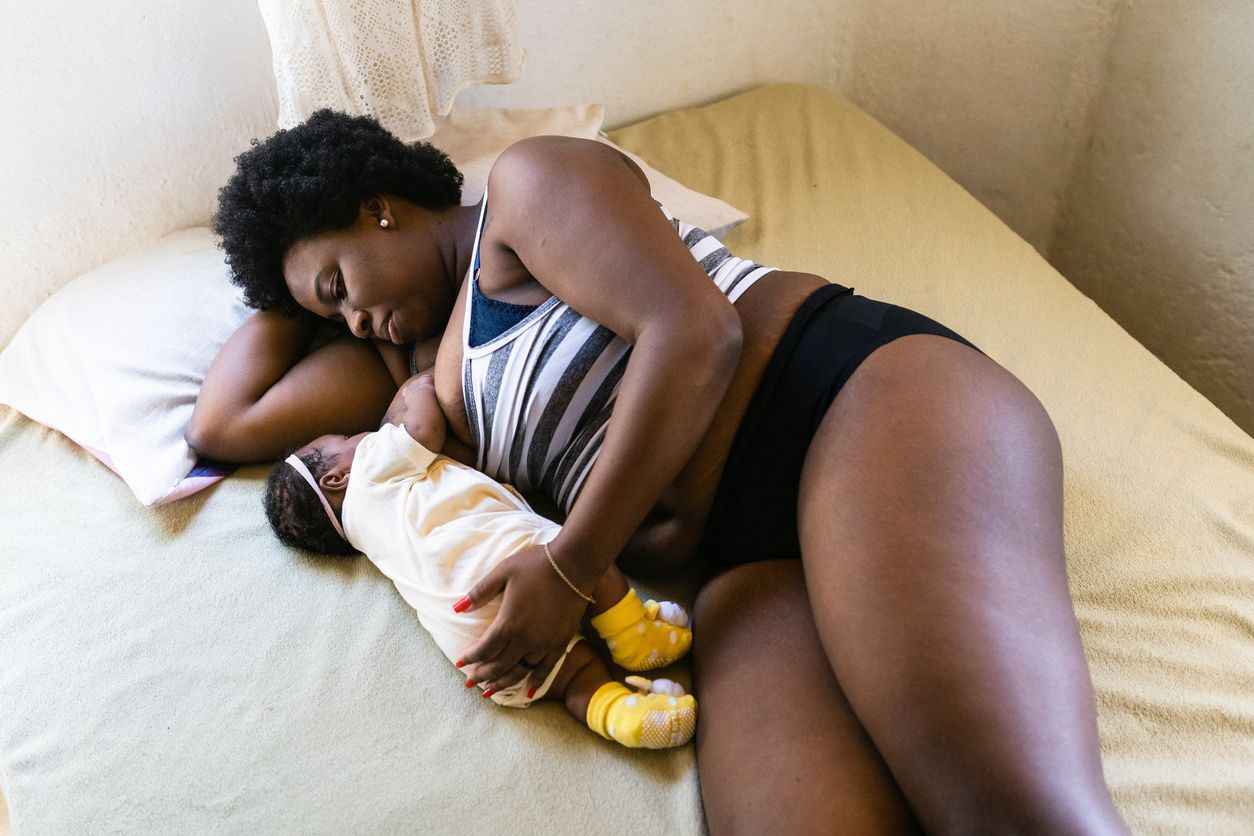
So you had one baby and you’re still breastfeeding (or chestfeeding, bodyfeeding, lactating, nursing, pumping, or any other term that fits you and your family!). Now you’re looking at that baby growing out of their wee little clothes and starting to think about giving them a sibling. But can you bodyfeed while you’re pregnant? Can you even get pregnant while lactating? Is it safe? This article covers some common questions and helps you understand your body’s changes if you decide to get pregnant and keep nursing.
While the hormones of lactation help delay another pregnancy, that alone is not effective birth control after the first few weeks. You can still get pregnant. Hormonal shifts only prevent pregnancy if you’re still feeding your baby several times overnight and you haven’t gotten your period back. You can even get pregnant before your first period postpartum. In short, don’t count on nursing for birth control.
If you want to get pregnant and your cycle isn’t back yet, you may want to consider cutting down how often you’re feeding or pumping. For many people, cutting out night feedings is enough. For some, lactating even a few times a day will keep your period away.
You might have heard that breastfeeding while you’re pregnant will cause preterm labor. Studies show this is not true. If you find you get very crampy while you are feeding your baby or pumping, stop and wait a bit.
If the cramping doesn’t go away, check with your midwife or physician. You can call or text us at (509) 209-8016 — you don’t need an appointment to ask a question.
How much extra nutrition you will need depends on how much your child is nursing. If you are still the primary source of food for your baby, you’ll need to eat more than if you have a toddler who nurses just a few times a day. Nutrition needs also depend on how far along you are. A good general rule is to follow your hunger cues, and focus on getting plenty of protein, fruits and vegetables, complex carbohydrates, and water.
People often notice a significant drop in their milk supply when they become pregnant. If you have an older baby, they may self-wean at this point. Some babies have the opposite reaction and want more feedings.
If your baby continues to gain weight normally and nurses at least three to four times a day, that’s a good sign that they are getting enough milk. After your baby is born, most people make plenty of milk for both children — most find they have too much milk rather than not enough.
Sometime in the second trimester, your milk will start to change from “mature” milk back to colostrum.
Colostrum is the first milk you make for a newborn before your mature milk comes in. It’s thicker, sticky, and often honey-coloured or even clear. It’s very sweet and high in protein and antibodies to help newborns fight infections. It can also be harder to get out with a pump.
Colostrum is still an excellent source of nutrition for your older baby, but it has fewer carbohydrates and less water, so you may find your older baby is hungrier and thirstier. Don’t worry about them “using up” the colostrum — your body will continue making it, so there will still be plenty for your newborn.
RelatedWhat to Expect After Giving Birth →
With all the hormones of early pregnancy, it’s common to have tender nipples, especially in the first trimester. Nipple creams, like lanolin, ease tenderness when applied a few times a day.
Many people also experience nipple sensitivity when they’re pregnant, both physically and emotionally. If you struggle with it, it may help to change feeding positions so your baby isn’t touching you as much, or to take slow, deep breaths and distract yourself with a book or TV.
If you have a lot of nausea at the beginning of pregnancy, bodyfeeding may make it worse. Try a snack, ginger candy, or a cool drink beforehand. Pressure on your stomach can make nausea worse, so instead of sitting upright, try lying on your side or the clutch hold.
When to stop is a very personal decision. You know your body, your family, and your baby(s) the best. Listen to your instincts. Here are a few questions to ask:
Ultimately, you will find the right answer for you and your family. There can be mixed feelings when you decide to wean, and that’s normal. Whatever you decide, remember to give yourself grace. Take a moment to thank your body for what it has done, and give it all the extra care and love you deserve.
MSN, CNM, ARNP · she/her
Olivia is a certified nurse midwife at Quilted Health. She specializes in lactation, frenotomies, abortion care, and gender-affirming care.
Connect with Olivia →Longer visits, a team that answers, and a midwife at your side from the first visit through a full year after birth.
Book now
Postpartum anxiety can be overwhelming — but it doesn’t have to be
With midwives Michele Augur and Farrah Ka’Healani Rivera

You don’t have to do this alone
We're here to support you, whatever your needs are. Whether you have a question or need to schedule an appointment, call or text us and we'll get back to you as soon as possible. Our office is open 8am – 4pm Monday – Friday.